If you shop at Birch Community Services, you’ve probably noticed something: sometimes the food on our shelves is close to (or even past) the date printed on the package. That doesn’t necessarily mean the food is bad.
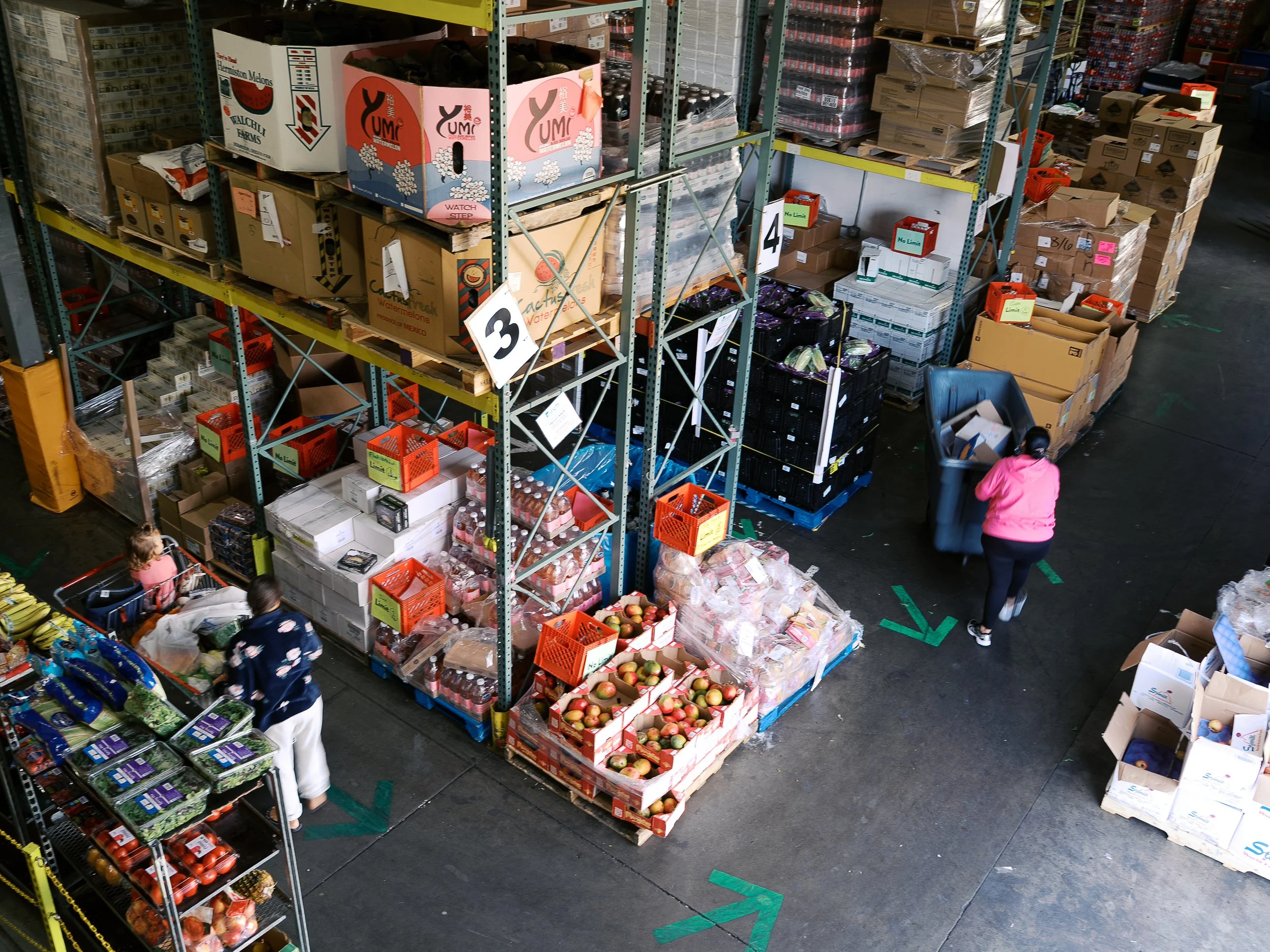
In fact, a lot of perfectly good food ends up at BCS for reasons that have little to do with food safety. A label might have a typo, an incorrect UPC, or a date that is approaching. A shipment might arrive earlier or later than expected, or experience a temperature issue that requires the product to be evaluated before it can go to a traditional retailer.
Every year, about 15 million pounds of food move through BCS.
That is a lot of food… and a lot of perfectly usable food that might otherwise go to waste.
A date on the package isn't always an expiration date
One of the biggest sources of confusion is the language used on food labels. According to the USDA, most food date labels are about quality, not safety. Except for infant formula, federal regulations do not generally require food to have a date indicating when it becomes unsafe to eat.
Here are some common labels you may see:
“Best if Used By”
Generally tells you when a food is expected to have its best flavor or quality. It is not a safety date.
“Sell By”
Primarily for stores and inventory management. It does not mean the food becomes unsafe on that date.
“Use By”
Generally indicates the manufacturer's recommended date for peak quality. It is not a food-safety date, with the important exception of infant formula.
“Freeze By”
Tells you when a product should ideally be frozen to maintain quality. It is not a safety date.
That means a box of crackers, a can of food, or another shelf-stable product doesn't automatically belong in the trash just because the printed date has passed.
So… how do I know if something is still good?
This is where you become the final quality-control person.
Before you use food, look at the whole picture:
Does the package look intact?
Avoid food with holes, openings, leaking packages, or significant damage.Does it smell normal?
An unusual or unpleasant odor can be a sign of spoilage.Does it look normal?
Watch for mold or other obvious signs that something has gone bad.Does the texture seem right?
Unexpected changes in texture can also indicate spoilage.Has it been stored properly?
Proper refrigeration, freezing, and food handling matter regardless of the date printed on the package.
The USDA notes that food can remain safe and wholesome after its labeled date when it has been handled properly, but food should not be eaten when there are signs of spoilage. And, of course, there are foods where you should use extra caution, particularly highly perishable foods such as fresh meat, poultry, and fish. When you aren't sure whether something is safe, when in doubt, throw it out.
This is part of why BCS food can look a little different
A grocery store has to make decisions based on what it can sell on its shelves. BCS has a different purpose.
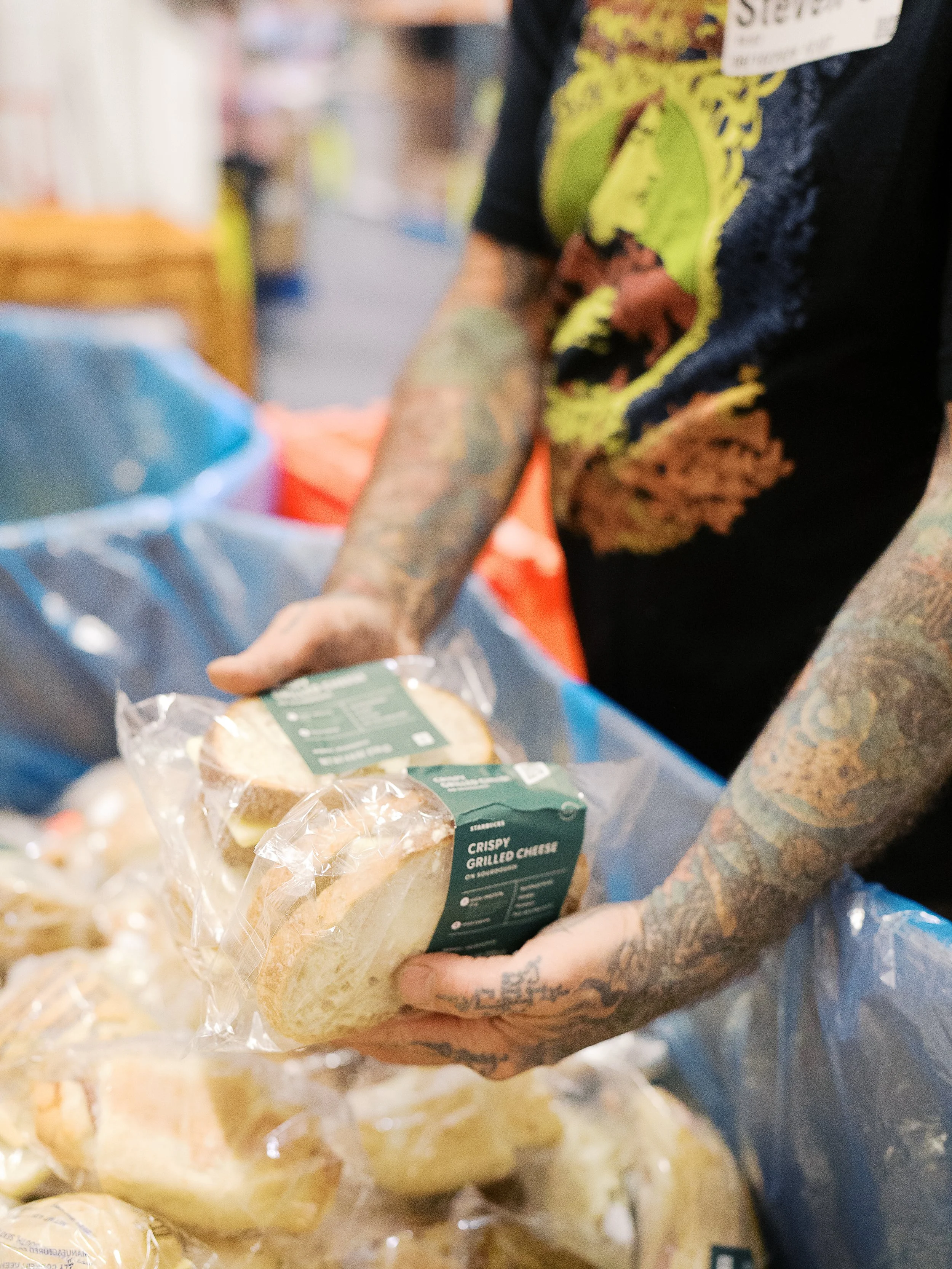
We receive food that may be perfectly usable but doesn't fit neatly into the traditional grocery system. Sometimes the issue is a date. Sometimes it's a labeling error. Sometimes it's a shipment that didn't arrive according to the retailer's schedule. Sometimes a product is simply getting close to the end of its peak-quality window.
That doesn't mean we send questionable food home with shoppers. If food is spoiled or otherwise unsuitable for people to eat, it does not go on our shopping floor. Depending on the product, it may go to one of our farming partners or to the landfill. Produce that is no longer suitable for eating can also be composted rather than wasted.
Our goal is to make as much good food available to families as possible, and to keep food that isn't suitable for people out of shoppers' carts.
Get creative with what you have
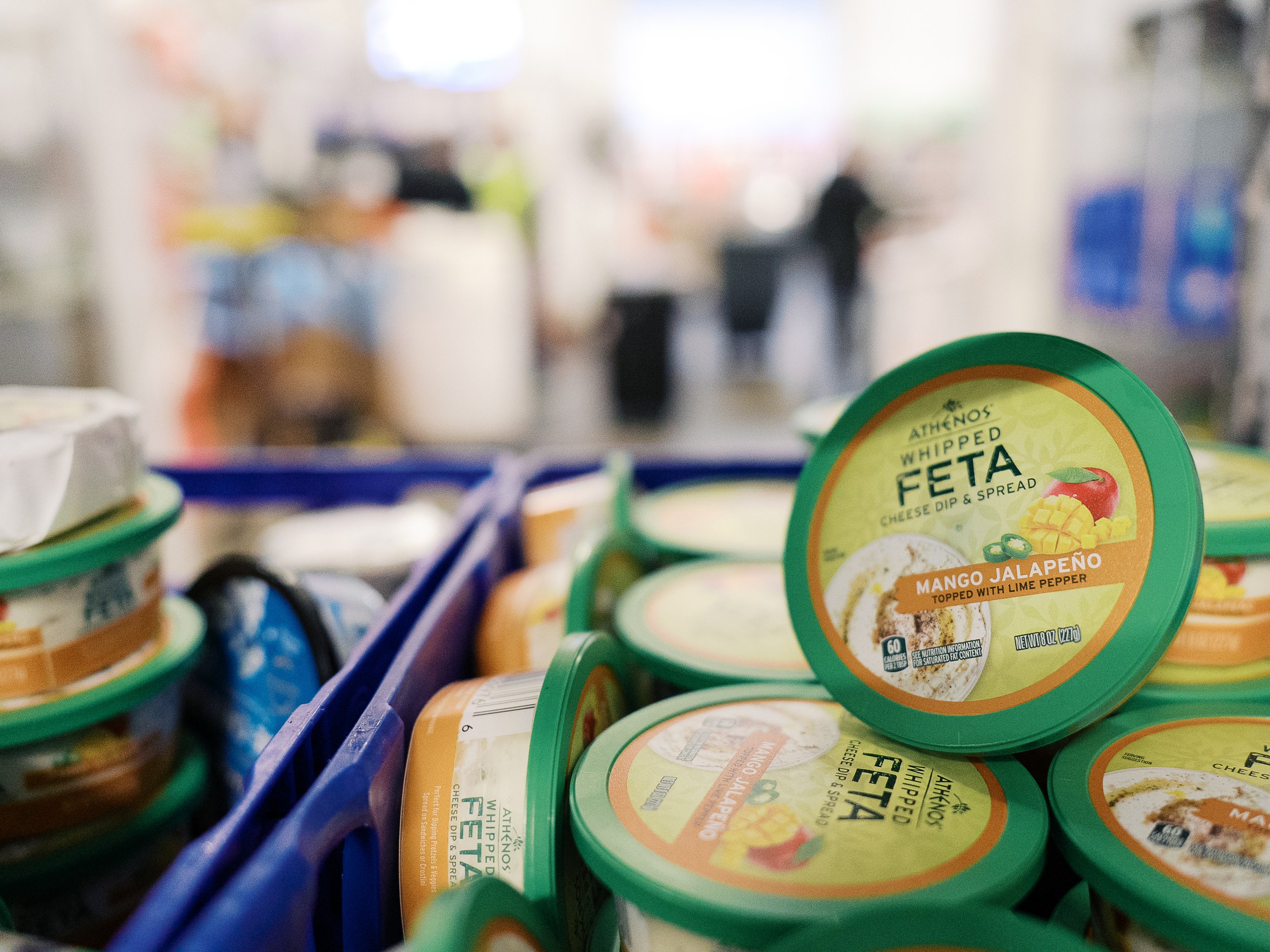
One of the best ways to get more value from your BCS shopping trip is to be willing to cook with ingredients that don't look exactly like the ones you would pick up at a traditional grocery store.
Maybe the yogurt is nearing its date. Maybe you have three different kinds of pasta. Maybe there are more tomatoes than you know what to do with. Maybe the crackers aren't as crisp as they once were, but they'd be perfect crushed over a casserole. This is where recipes can help.
Instead of asking, “What recipe can I make with this exact list of ingredients?” try asking, “What can I make with what I already have?” The more comfortable you become with substituting ingredients, using food at its peak (or just past its peak), and finding creative ways to use what is already in your kitchen, the more value you can get from your BCS food.
And that is one of the best ways to stretch your grocery budget: use what you have before buying something new.
A note about food safety
This article is about understanding food date labels and reducing unnecessary food waste. It is not a recommendation to eat food that has been improperly stored, recalled, contaminated, or visibly spoiled. When in doubt about a particular food, check reliable food-safety guidance or throw it out.
More resources
USDA: Food Product Dating
Learn what common date labels mean and how they relate to food quality and safety.University of Maine Cooperative Extension: Don't Toss That Food Yet!
A helpful overview of common food date labels and how to evaluate food after its labeled date.BCS: How to Start a Compost Pile
Learn how to turn appropriate food scraps and other materials into compost instead of sending them to the landfill.