
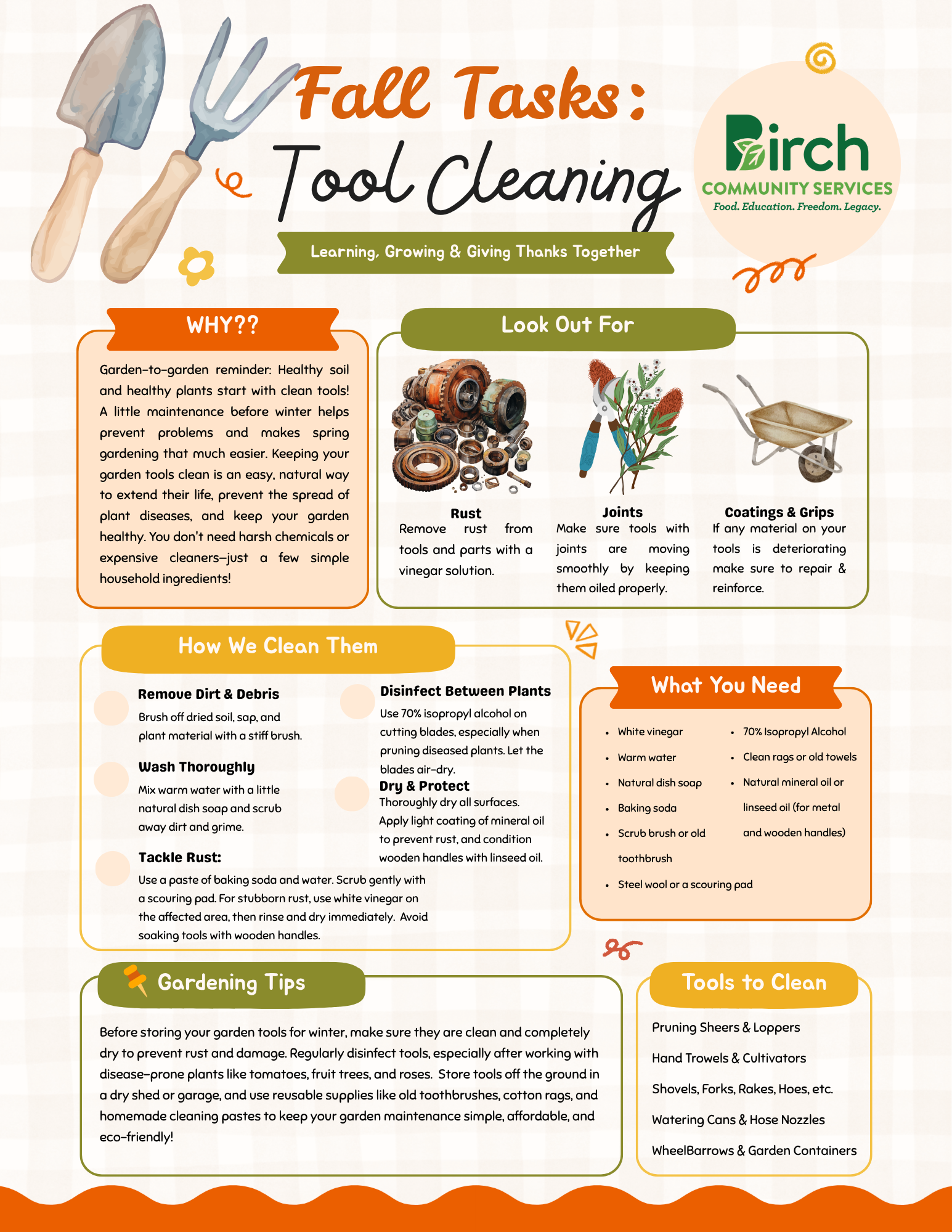
Simple, affordable ways to clean, protect, and prepare your gardening tools for the seasons ahead.
As the gardening season winds down and cooler weather settles in, it's the perfect time to give your hardworking garden tools a little attention!
Throughout the growing season, our shovels, trowels, pruning shears, and other gardening tools help us plant, nurture, and harvest. But after months of digging, trimming, and working in the soil, those tools could probably use a little TLC.
The good news? Keeping your garden tools clean and in good condition doesn't require expensive products or complicated techniques. With a few everyday household supplies and a little time, you can help your tools last longer and be ready when spring rolls around.
Why Cleaning Your Garden Tools Matters
Healthy soil and healthy plants start with clean tools!
Dirt, moisture, and plant debris can build up on gardening equipment throughout the season. Without regular cleaning, tools can develop rust, become harder to use, and potentially spread plant diseases from one area of the garden to another.
Taking time to care for your tools can help you:
Prevent rust and damage: Removing dirt and moisture helps protect metal surfaces.
Keep tools working smoothly: Well-maintained joints and moving parts make gardening easier.
Reduce the spread of plant diseases: Cleaning and disinfecting tools helps protect healthy plants.
Save money: Proper maintenance can extend the life of your tools, reducing the need for replacements.
Get a head start on spring: Clean, organized tools mean one less task when planting season arrives!
A little maintenance now can make a big difference later.
Gather Your Supplies
You probably already have most of what you need at home!
White vinegar
Warm water
Natural dish soap
Baking soda
A scrub brush or old toothbrush
Steel wool or a scouring pad
70% isopropyl alcohol
Clean rags or old towels
Natural mineral oil or linseed oil
There's no need to purchase specialized cleaning products. Simple household supplies can do the job!
Five Simple Steps to Clean Your Garden Tools
1. Brush Away Dirt and Debris
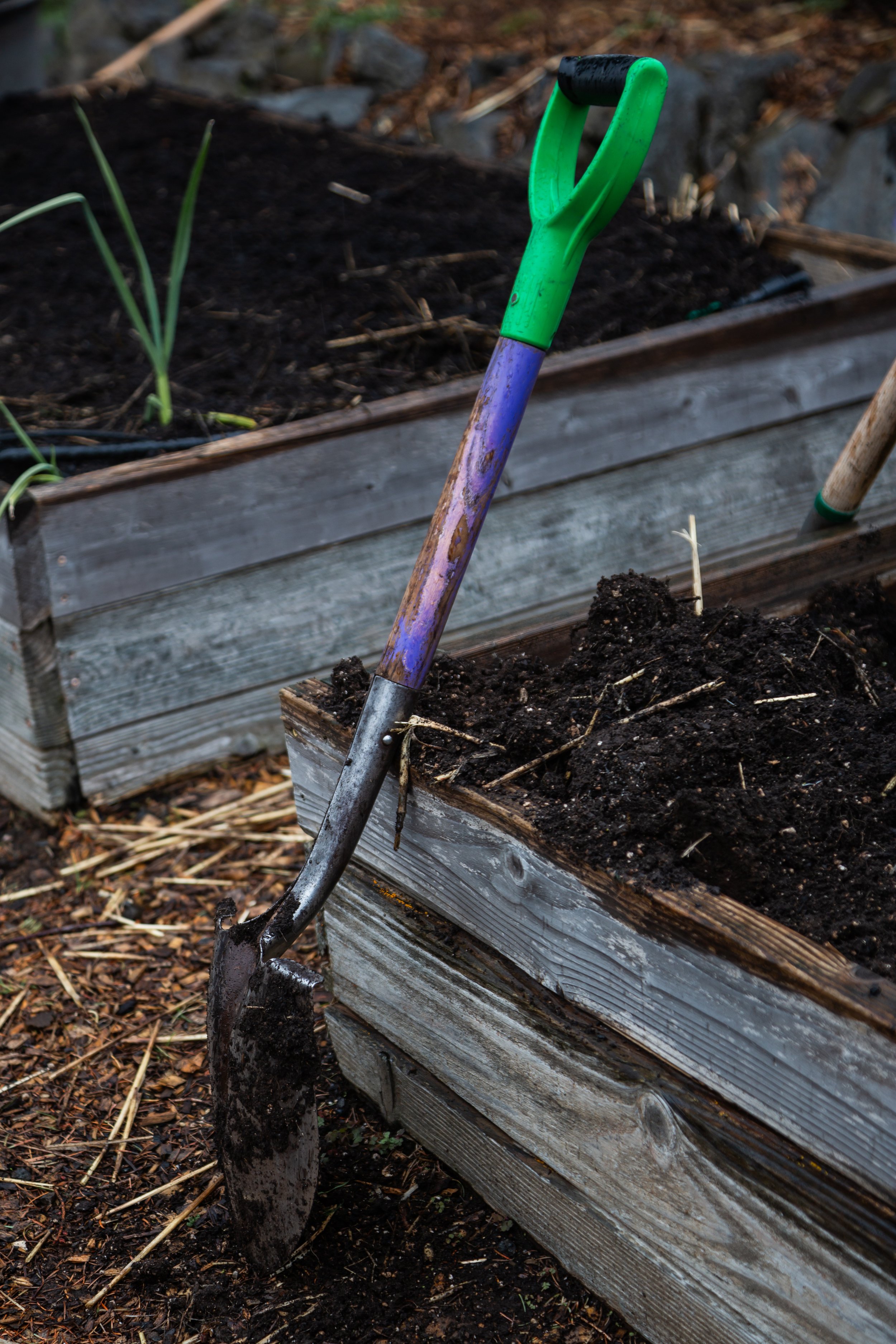
Start by removing dried soil, sap, and leftover plant material from your tools. Use a stiff brush or an old toothbrush to scrub away debris, paying special attention to crevices and hard-to-reach areas.
2. Give Them a Good Wash
Mix warm water with a little natural dish soap. Use a brush or cloth to scrub away remaining dirt and grime. Once your tools are clean, rinse them thoroughly.
3. Tackle Stubborn Rust
Noticing a little rust? Don't worry! Some surface rust can be removed with common household ingredients. Try making a paste with baking soda and water. Apply it to rusty areas and gently scrub with a scouring pad. For stubborn rust, apply white vinegar to the affected metal, then scrub and rinse immediately. Helpful tip: Avoid soaking tools with wooden handles, as prolonged moisture exposure can damage the wood.
4. Disinfect Your Tools
Cleaning is important, but disinfecting is especially helpful when you've been working with plants that may have diseases. Use 70% isopropyl alcohol on pruning blades and other cutting surfaces, especially after trimming diseased plants. Allow the blades to air-dry before putting them away.
5. Dry, Protect, and Store
Once your tools are clean, dry them thoroughly to prevent rust. Apply a light coating of mineral oil to metal surfaces to help protect against moisture. Wooden handles can also benefit from conditioning with linseed oil. Store your tools off the ground in a dry shed, garage, or other protected space.
Don't Forget These Often-Overlooked Areas!
When cleaning your tools, pay special attention to three areas:
Rust: Check metal surfaces, blades, and small parts for signs of corrosion. Addressing rust early can help prevent further damage.
Joints and moving parts: Pruning shears, loppers, and other tools with moving parts need occasional maintenance. Keep joints clean and properly oiled so they continue to move smoothly.
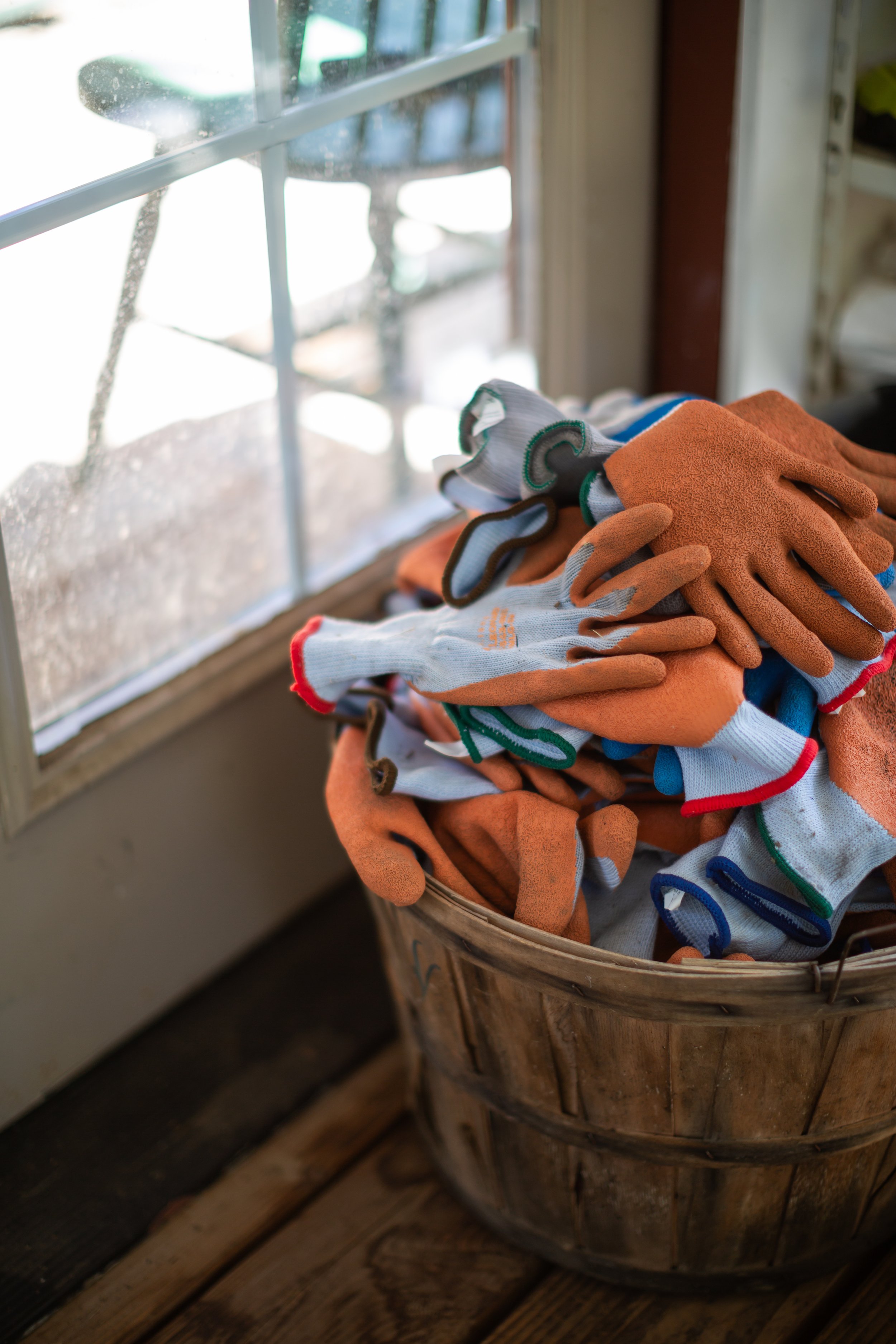
Coatings and grips: Look for worn handles, loose grips, or deteriorating protective coatings. Repairing these areas can make your tools safer and more comfortable to use.
Which Garden Tools Should You Clean?
Almost every tool in your garden can benefit from a little end-of-season care!
Remember to check your:
Pruning shears and loppers
Hand trowels and cultivators
Shovels, forks, rakes, and hoes
Watering cans and hose nozzles
Wheelbarrows and garden containers
Even tools that don't have metal parts benefit from a good cleaning before winter storage.
A Little Care Today, a Healthier Garden Tomorrow
Gardening teaches us that small, consistent actions can lead to meaningful results. Caring for our tools is one more way to practice that lesson. By taking a little time to clean, maintain, and properly store our gardening equipment, we can reduce waste, save money, and prepare for another growing season. And best of all, we don't need expensive supplies to get started. So before you pack away your garden tools for winter, grab a scrub brush, gather a few household ingredients, and give those hardworking tools the care they deserve.
Here's to healthy gardens, well-loved tools, and another season of learning and growing together!
